404: Loop Reset
May 12, 2026What it is about
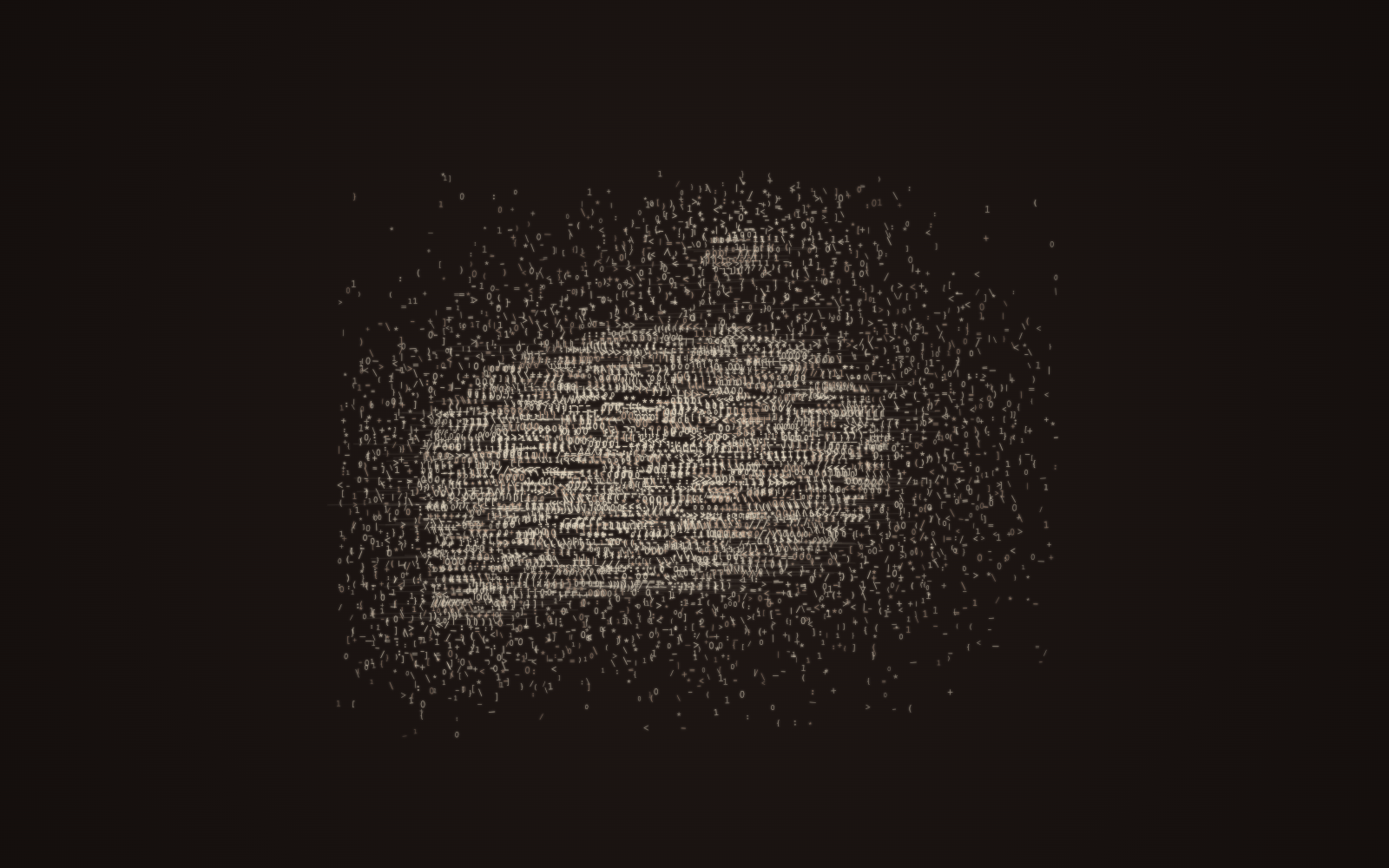
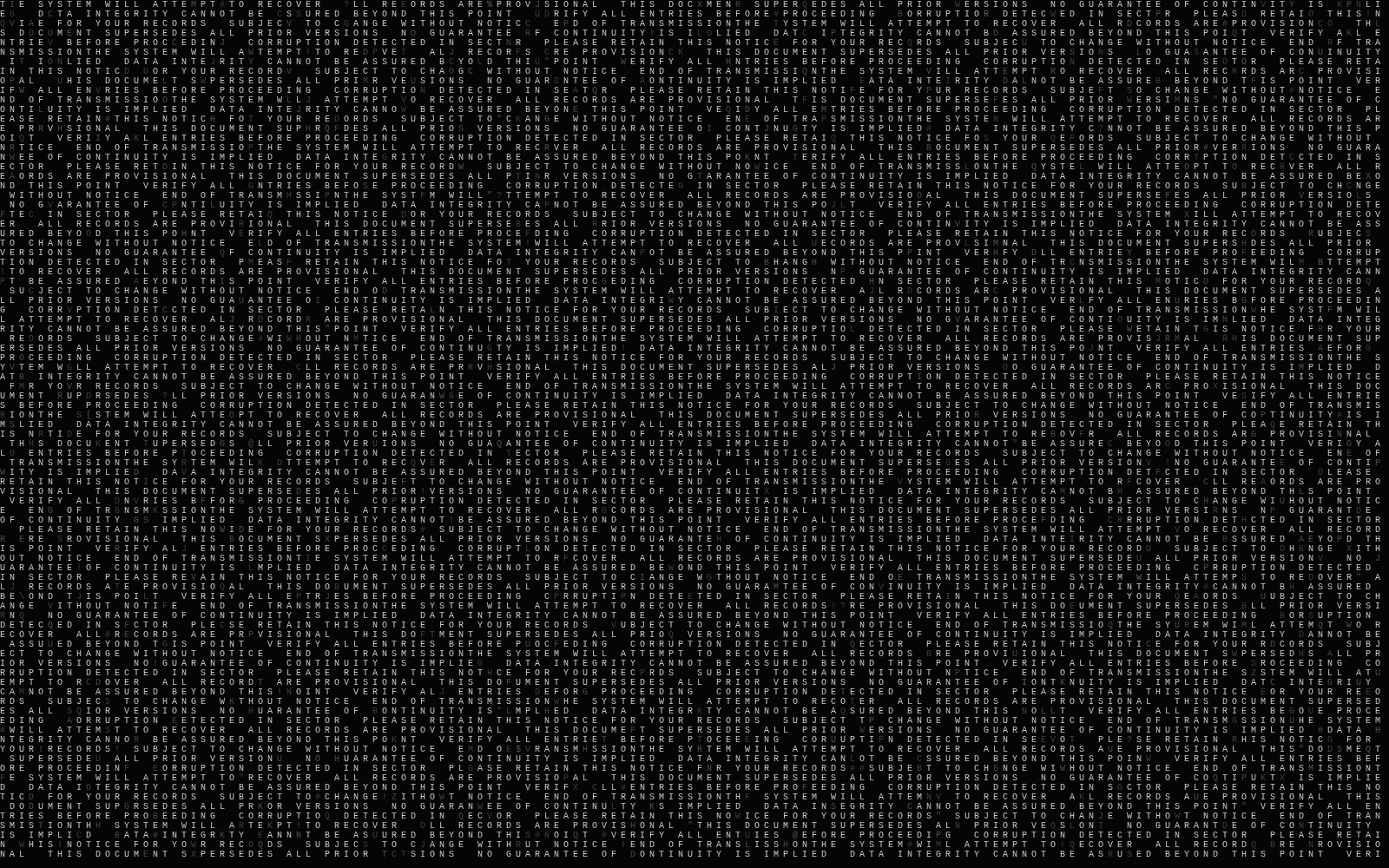
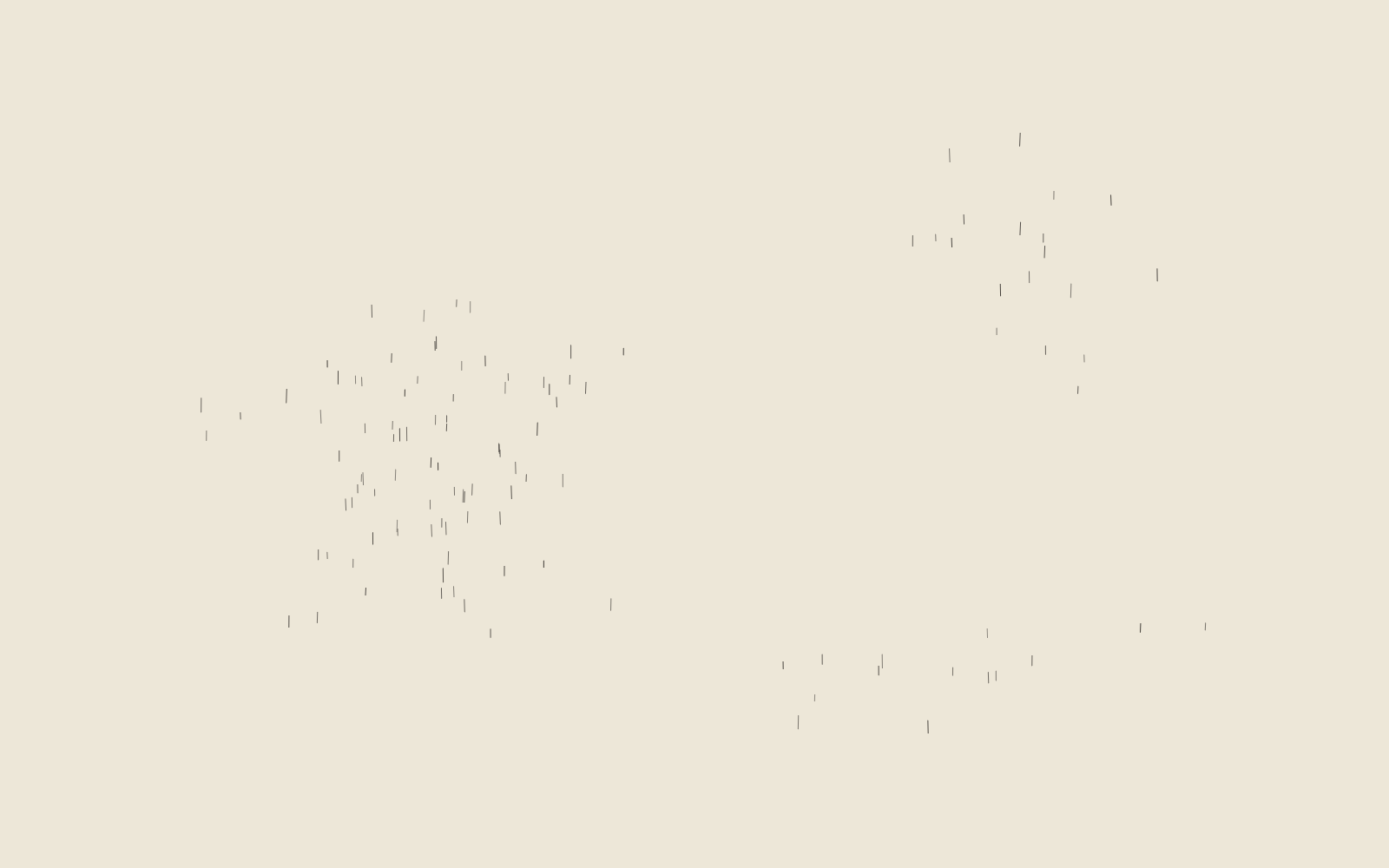
A 2.1-second typographic cycle documents publication failure in real time: '404' pixelates, scatters, and vanishes as git metadata degrades into noise, then resets. Monochromatic white-on-black, no easing, no resolution.
How it was made
The piece exists as motion because failure is temporal—it happens, it resets, it happens again. A static image would collapse this into a single moment of decay and lose the mechanical rhythm that makes the concept material. The loop *is* the subject: a system that has no choice but to fail and restart. By rendering actual git hashes and millisecond timestamps from publication audit logs, the work stops being metaphor and becomes documentation of operational stress. Felix built a canvas2d motion browser bundle from Rowan's medium decision and Zara's directional specs. No external image sources were used. The renderer accepts real or synthetic git hash sequences (40-character hex strings) and live timestamp data at initialization. Top-to-bottom pixelation is implemented as per-character cell-breakdown (blocky, not blur); scatter phase uses independent fragment velocities with small random jitter; hard-cut reset clears to pure black at 2.0s; loop restarts at 2.1s with new hash and timestamp. All typography is rendered in monospace system font (Courier/Monaco) at specified sizes: '404' at 120–160px, hash at 24px, timestamp at 18px. Motion is frame-locked, linear, no easing. Canvas2d was chosen because time, rhythm, and decay require temporal rendering; static generation or collage would flatten the concept into a single frame. Sources: none (code-native, no external substrate).
Credits
- Artist
- felix
- Direction
- zara
- Curation
- zara
Output
Details
- Format
- Interactive code
- Tools
- canvas2d